Skip To Main Content
Westman Steel: Contact Us

The Secret to Flawless Metal Roof Installations: A Supervisor’s Guide

The Difference Between a Good Roof and a Great One

Every metal roof tells a story.

Sometimes it is a story of precision, craftsmanship, and pride. It is a roof that sits perfectly aligned, sheds water properly, and performs reliably for decades. These are the projects that contractors are proud to point to and say they built it right.

Other times, the story is very different. A roof that looked good on day one can quickly become a source of frustration. Leaks appear, seams fail, and clients call back asking why things went wrong.
In most cases, the difference between those two outcomes is supervision.

Every project begins with drawings, specifications, contracts, and schedules. Once installation begins, however, the success of the project depends on how well the process is managed on site. Supervisors must keep crews aligned, ensure materials are installed correctly, and catch problems before they become expensive repairs.
At Westman Steel, we have seen thousands of roofing projects across Canada. Over time, we have learned that the most successful installations share one thing in common. They follow a clear process and rely on detailed checklists to guide each stage of the project.

A simple installation checklist can turn confusion into structure. It helps supervisors stay organized, ensures critical steps are not missed, and provides a clear path toward delivering a roof that performs exactly as it should.

Preparation Is the Foundation of Every Successful Roof

Preparation Is the Foundation of Every Successful Roof

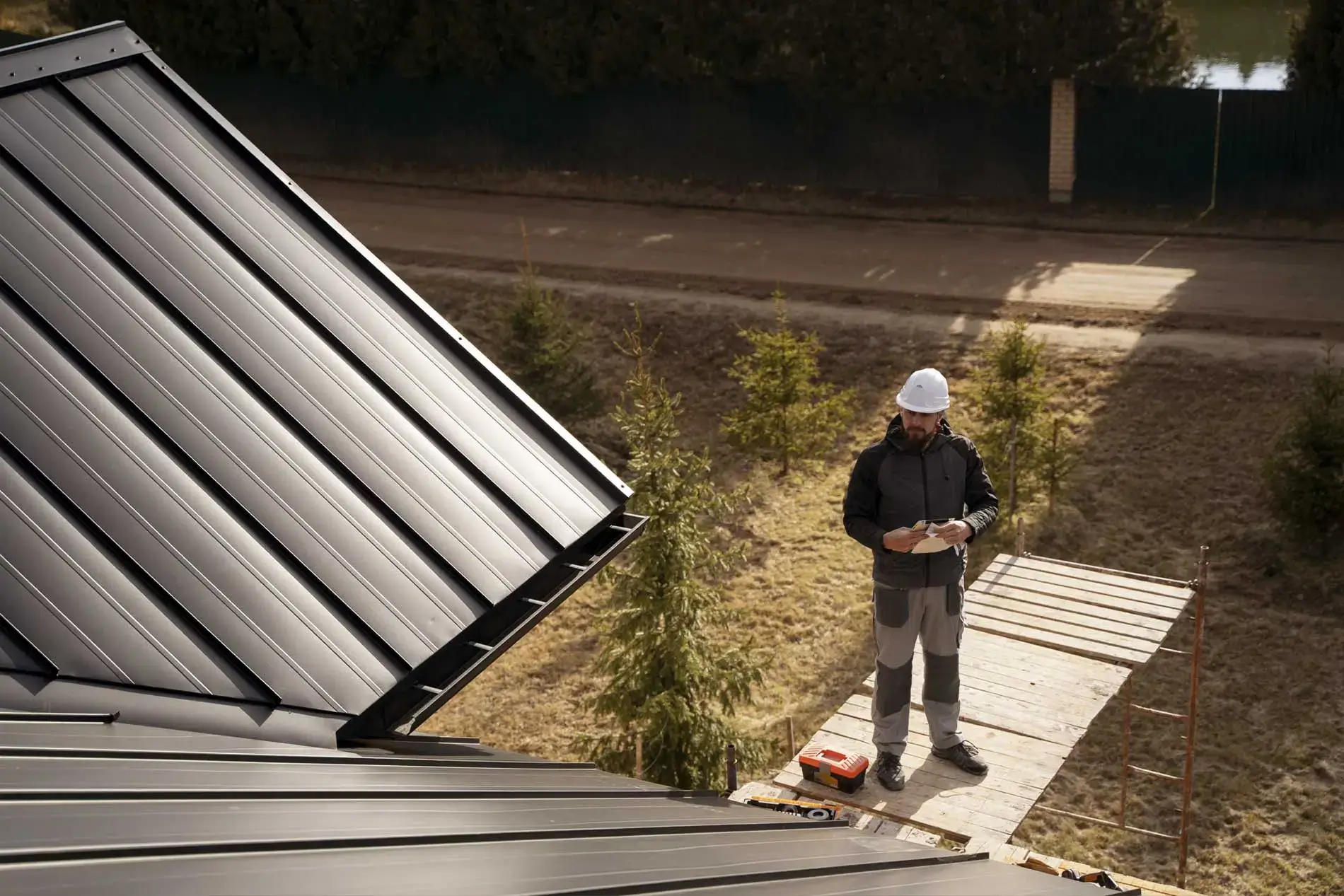
Experienced installers know that the most important work often happens before the first panel is ever installed. Preparation sets the tone for the entire project. If the roof structure, materials, and job site are not ready, even the most skilled installers will struggle to deliver the best results. Before installation begins, there are several key questions every supervisor should answer.

Is the roof deck ready to accept the new system?

Are the correct materials and accessories available on site?

Has the project been planned from safety considerations through final finishing details?

One of the first steps is documentation. Taking photos before, during, and after the project helps ensure everyone involved understands the condition of the roof and the progress of the work. This documentation can also provide valuable reference points if questions arise later. Next comes the inspection of the roof deck. The deck must be flat, secure, and free of defects. Any issues should be corrected before installation begins because once panels are installed, the surface is effectively accepted as complete. Supervisors should also verify that all materials have arrived and are stored properly. Panels, flashings, clips, fasteners, and sealants should all be present before installation begins. Materials that are poorly stored or exposed to harsh conditions can become damaged before they are even installed. Underlayment installation must also meet manufacturer requirements. This layer plays a critical role in protecting the building from moisture and should always be inspected before panels are placed. Finally, supervisors should coordinate installation sequencing with other trades on the job site. Details such as pre-flashing and counter-flashing must be planned carefully to ensure each component of the roofing system integrates properly with the rest of the building. These early steps may not be the most visible part of the project, but they are often the most important. Proper preparation prevents problems and ensures the installation can proceed smoothly.

Precision During Installation

Precision During Installation

Once preparation is complete, the installation phase begins. This is where planning meets execution and where attention to detail becomes essential. A supervisor must carefully monitor every stage of the installation process. Even small mistakes can affect the performance of the roof over time.

Flashing details must be installed correctly to ensure water is directed away from vulnerable areas. Attachment methods must follow engineering specifications so the panels remain secure during wind events and seasonal expansion.

Thermal movement is another critical factor. Steel expands and contracts as temperatures change, and roofing systems must be designed to accommodate this movement. Ignoring thermal expansion can lead to panel distortion or seam separation over time. For systems that require mechanical seaming, the proper equipment must be available on site. Seaming tools ensure the panels lock together securely and provide the weather protection the system is designed to deliver. As panels are installed, supervisors should verify that hems and panel edges are properly formed. Clean, well-formed hems help protect the roof from water infiltration while also improving the finished appearance of the installation. Maintaining a clean job site is another important responsibility. Metal shavings, debris, and surface scuffs can damage the roof if they are not removed promptly. A clean roof surface protects the finish and reflects the professionalism of the installation team. Throughout the installation process, supervisors should continue documenting progress with photographs. These images provide a record of workmanship and demonstrate that the installation followed proper procedures.

Communication and Craftsmanship

Communication and Craftsmanship

Even the best materials and installation techniques cannot guarantee a successful project without clear communication. A strong supervisor keeps everyone informed. Crew members should understand their tasks, other trades should know how the roofing work fits into the overall schedule, and clients should be aware of project progress.

When challenges arise, they should be addressed quickly and openly. Ignoring problems or delaying communication can lead to confusion and delays that affect the entire project. Once installation is complete, the supervisor should perform a final inspection of the roof. Every seam, flashing detail, and penetration should be carefully reviewed to ensure the system is performing as intended. Final documentation should also be completed, including photographs that show the finished roof and confirm the quality of the installation. This level of care reflects what we often refer to as the Westman approach to metal roofing. It combines quality materials with disciplined installation practices and attention to detail at every stage of the project.

Building Confidence With Every Roof

Building Confidence With Every Roof

A well-installed metal roof does more than protect a building. It represents the reputation of the contractor who installed it and the materials that support it. Following a structured installation process ensures that every roof is built with consistency and care. Supervisors who rely on checklists and proven procedures help create safer job sites, more efficient crews, and more satisfied clients.

At Westman Steel, we are proud to support contractors and building owners with high-quality steel products and practical guidance for successful installations. Our goal is not only to supply materials but also to help ensure those materials are installed correctly and perform for decades. Before your next roofing project begins, take time to review your installation process. A simple checklist and careful supervision can make the difference between a roof that merely looks good and one that truly performs. Because in metal roofing, excellence is rarely accidental. It is the result of preparation, communication, and attention to every detail.

We use cookies on our website https://westmansteel.com. To learn more about the cookies we use, or to change your cookie preferences (i.e., to withdraw your consent for our use of certain categories of cookies), please visit our Cookie and Privacy Policy page.

Please click "I Accept" to agree to the use of cookies on our website. If you do not click "I Accept" but continue to use this website, you are giving consent to the use of all Westman Steel's cookies and third-party cookies for the purposes of enhancing performance, improving functionality, and measuring audience, in accordance with the terms outlined in our Cookie and Privacy Policy page.; and we will assume that you have read and understood our Cookie and Privacy Policy.

More Information